 25Aug
25Aug
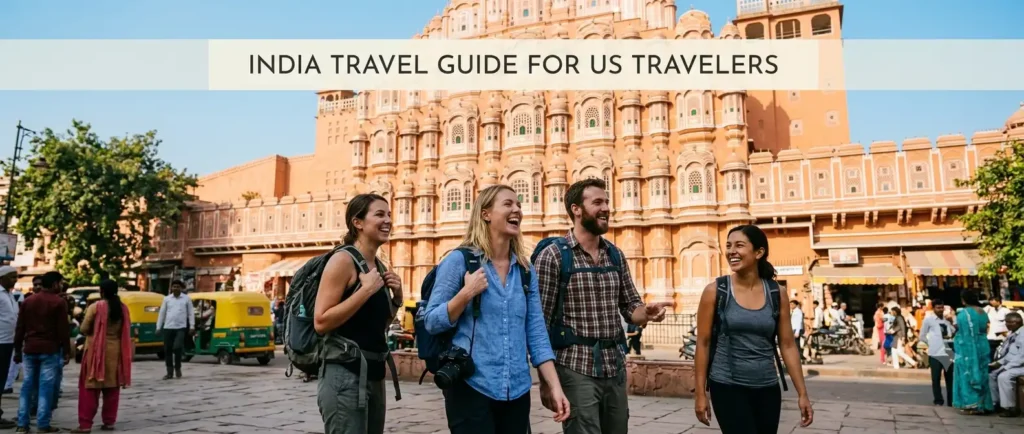
Is India safe for first-time travelers from America? What to Expect in Delhi, Agra & Jaipur
If you have never been to India before, you may be wondering what you are getting into. Maybe you have…
Read Article
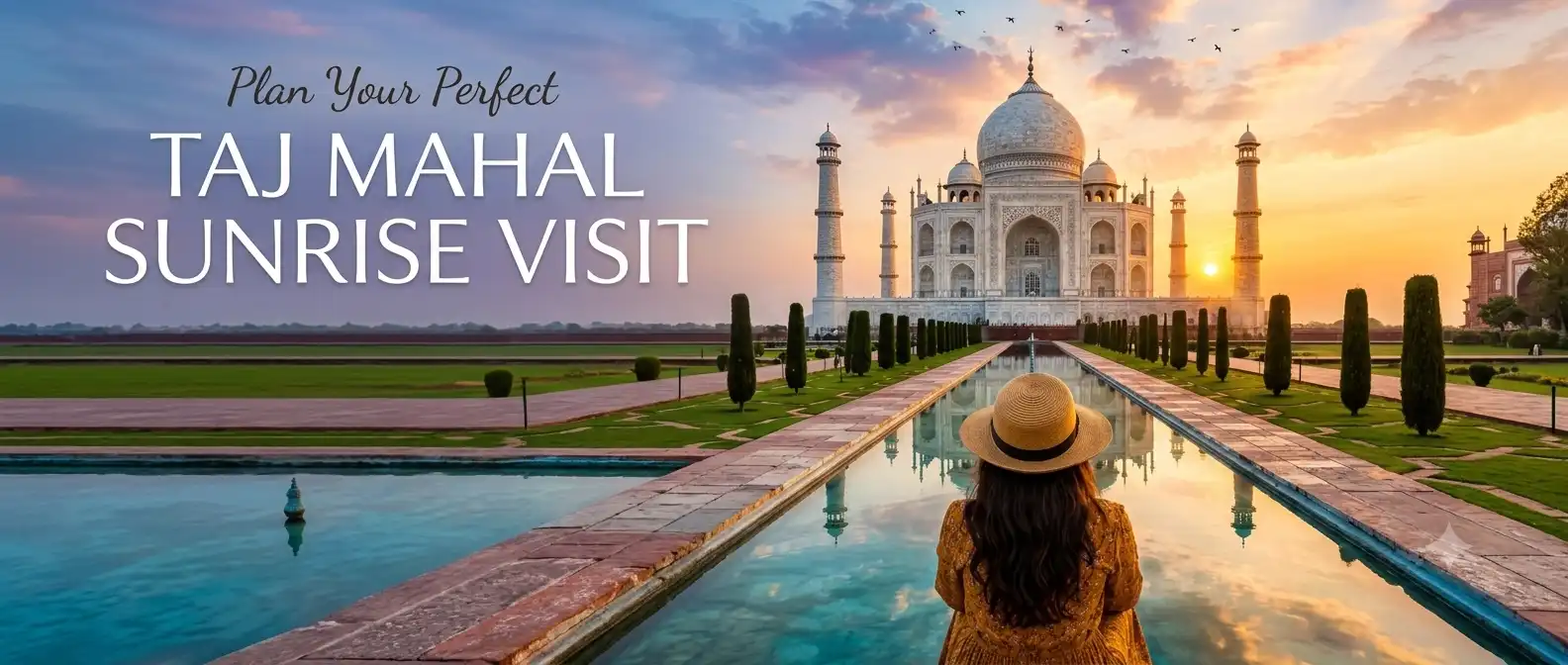
Short Answer: Yes, for most visitors, sunrise is the best time to visit the Taj Mahal. The weather is cooler, the crowds are smaller, and the soft morning light makes the white marble glow beautifully, creating ideal conditions for sightseeing and photography.
For decades, experienced guides and photographers in Agra have recommended arriving at the entrance before the gates open. Watching the first rays of sunlight fall on the Taj Mahal is an experience that many travelers describe as the highlight of their trip to India.
Unlike later in the day, the atmosphere during sunrise is calm and peaceful. You have more space to walk through the gardens, take photographs, and appreciate the monument without constantly navigating through large tour groups.
If you’re travelling from Delhi, it’s worth leaving very early or staying overnight in Agra so you can reach the Taj Mahal before sunrise.
Although sunrise is usually the best choice, there are a few exceptions.
During late December and January, Agra sometimes experiences dense morning fog. On these days, the Taj Mahal may not be clearly visible until the fog begins to lift.
If the weather forecast predicts heavy fog, consider visiting in the late morning or early afternoon instead of waiting for a sunrise view that may remain hidden.
Expert Tip: If you’re visiting in winter, keep your itinerary flexible. A local guide or hotel staff can often advise whether the fog is likely to clear quickly.
Both times offer beautiful views, but they provide very different experiences.
| Feature | Sunrise | Sunset |
|---|---|---|
| Crowd Level | Lowest | Moderate to High |
| Temperature | Cool | Pleasant (except summer) |
| Photography | Soft golden light | Warm evening colours |
| Waiting Time | Usually shorter | Can be longer |
| Atmosphere | Peaceful and quiet | Lively and romantic |
| Best For | First-time visitors and photographers | Couples and relaxed sightseeing |
Our Recommendation: If your schedule allows only one visit, sunrise offers the best overall experience for most travelers. If you’re spending a night in Agra, consider visiting the Taj Mahal at sunrise and enjoying sunset views from Mehtab Bagh across the Yamuna River for a different perspective.
Short Answer: Visit on a weekday, arrive before sunrise, and avoid Indian public holidays and long weekends.
The Taj Mahal welcomes thousands of visitors every day. However, with a little planning, you can enjoy a much quieter experience.
If your itinerary is flexible, choose:
These weekdays are generally less crowded than weekends.
Arrive Early
Being among the first visitors of the day gives you:
Crowds are usually highest during:
The Taj Mahal is closed every Friday for regular visitors because the mosque inside the complex is used for prayers.
If you’re planning a Golden Triangle Tour, always check your itinerary to ensure your Agra visit doesn’t fall on a Friday.
Local Insight: Many travelers assume Monday is a quiet day after the weekend. In reality, Mondays can still be busy because visitors who couldn’t enter on Friday often adjust their plans to the beginning of the following week.
The Taj Mahal changes its appearance throughout the day as the light shifts across its white marble.
If photography is important to you, timing can make a remarkable difference.
This is considered the best time for photography because:
Photographers also enjoy visiting during September and October, when:
Don’t limit yourself to the classic central viewpoint.
Some of the best images can be captured from:
Photography Tip: Instead of rushing straight to the central bench, spend a few minutes walking through the gardens. Some of the most memorable photographs come from quieter corners that many visitors overlook.
The Taj Mahal is one of the most popular day trips from Delhi. Thanks to the Yamuna Expressway, the journey is straightforward, but your departure time plays a major role in the overall experience.
Option 1: Sunrise Day Trip (Recommended)
Ideal for:
A typical schedule includes:
| Time | Activity |
|---|---|
| Around 3:00–4:00 AM | Depart from Delhi |
| Around Sunrise | Arrive at the Taj Mahal |
| Morning | Explore the Taj Mahal |
| Late Morning | Visit Agra Fort |
| Lunch | Local restaurant |
| Afternoon | Optional visit to Mehtab Bagh or local handicraft workshops |
| Evening | Return to Delhi |
This Taj mahal itinerary allows you to avoid the hottest part of the day while experiencing the Taj Mahal in its most beautiful light.
Option 2: Stay Overnight in Agra
If your schedule allows, spending one night in Agra creates a much more relaxed experience.
Benefits include:
This option is especially popular with travelers following a Golden Triangle itinerary.
Knowing the opening hours helps you plan your visit efficiently.
| Information | Details |
|---|---|
| Opening Time | Approximately 30 minutes before sunrise |
| Closing Time | Approximately 30 minutes before sunset |
| Closed | Every Friday |
| Average Visit Duration | 2–3 hours |
Most visitors spend 2 to 3 hours exploring the Taj Mahal.
This is usually enough time to:
If you’re interested in architecture, history, or photography, you may wish to stay a little longer and explore the monument at a slower pace.
Every season calls for a slightly different travel plan. Here are some practical suggestions.
Winter Itinerary (October to March)
Best for: Comfortable sightseeing and first-time visitors.
Summer Itinerary (April to June)
Best for: Budget travelers.
Monsoon Itinerary (July to September)
Best for: Nature lovers and photographers.
Expert Travel Tips
After helping thousands of international travelers plan their visits to Agra, one pattern stands out: the best Taj Mahal experience isn’t just about choosing the right month-it’s about combining the right season with the right time of day.
If your goal is to enjoy pleasant weather, fewer crowds, and stunning photographs, this combination works best:
These small planning decisions can make a noticeable difference and often turn a good visit into an unforgettable one.
Quick answers related to this article.
Yes. February usually offers clear skies, comfortable temperatures, blooming gardens, and a much lower chance of morning fog than December or January. It’s often considered one of the most reliable months for sightseeing and photography.
March and September are excellent shoulder-season choices. March still has pleasant weather before the summer heat arrives, while September offers greener landscapes after the monsoon with fewer crowds than the winter peak season.
Yes, but planning is essential. Arrive as soon as the monument opens, wear light clothing, stay hydrated, and avoid outdoor sightseeing during the afternoon when temperatures are highest.
Absolutely. Winter offers crisp views and pleasant weather, summer brings bright sunlight with fewer visitors, and the monsoon transforms the gardens into lush green landscapes while giving the white marble a fresh appearance after rainfall.
October to March is the most comfortable season for families. Cooler temperatures make walking easier, and children are less likely to become tired from the heat compared to summer.
An overnight stay is ideal. It gives you enough time to visit Agra Fort, Mehtab Bagh, local markets, and enjoy the Taj Mahal without rushing through your itinerary.
If you prefer a quieter experience, yes. National holidays, long weekends, and festive periods often attract larger domestic crowds, resulting in longer queues and busier viewpoints.
October to March is ideal for the Golden Triangle route. Comfortable weather makes long drives, city walks, and sightseeing much more enjoyable across all three destinations.
25Aug
If you have never been to India before, you may be wondering what you are getting into. Maybe you have…
Read Article 03Jul
03Jul
Taj Mahal Travel Tips: Things to Know Before You Visit These tips will help you plan a smoother and more…
Read Article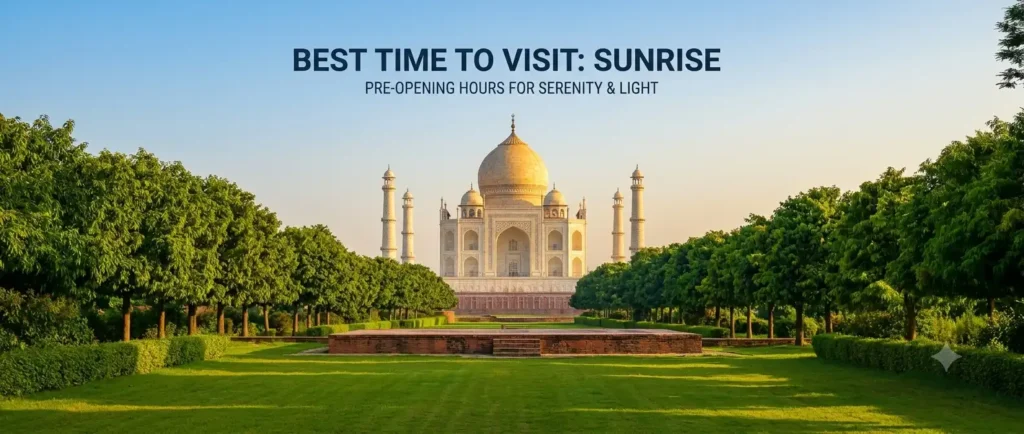 01Jul
01Jul
The Taj Mahal is one of the world’s most admired landmarks, attracting millions of visitors every year. Yet, many travelers…
Read Article