 25Aug
25Aug
Is India safe for first-time travelers from America? What to Expect in Delhi, Agra & Jaipur
If you have never been to India before, you may be wondering what you are getting into. Maybe you have…
Read Article
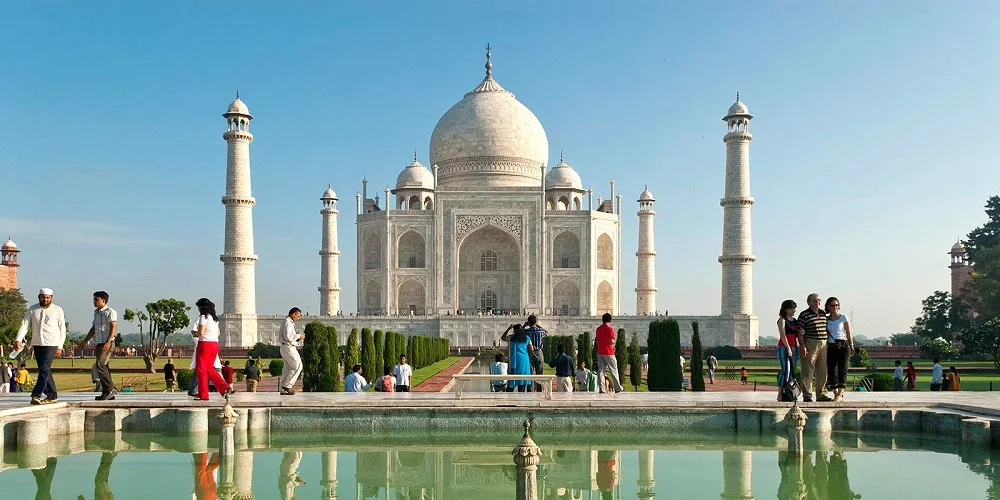
The Taj Mahal is one of the world’s most admired landmarks, attracting millions of visitors every year. Yet, many travelers are surprised to discover that when they visit can shape the entire experience. The monument looks different in every season, the crowds vary throughout the week, and even the time of day can change how the white marble reflects the light.
Whether you’re planning your first trip to India, a Golden Triangle itinerary, or a same-day excursion from Delhi, choosing the right time helps you enjoy pleasant weather, shorter queues, and unforgettable views. A sunrise visit on a cool winter morning offers a completely different atmosphere from an afternoon in the peak of summer or a monsoon day when the gardens are lush and the marble appears freshly washed.
This guide explains the best time to visit the Taj Mahal based on weather, seasons, crowd levels, photography, and travel style. You’ll also find practical tips to help you avoid common mistakes and make the most of your visit.
Quick Answer
The best time to visit the Taj Mahal is from October to March. For the most peaceful experience and the best photographs, arrive at sunrise on a weekday, especially Tuesday to Thursday.
Best Time at a Glance to Visit the Taj Mahal
| Travel Priority | Best Time |
|---|---|
| Pleasant weather | October to March |
| Best overall month | February |
| Best for photography | Sunrise |
| Least crowded | Tuesday to Thursday mornings |
| Best for budget travelers | July to September |
| Best for families | November to February |
| Best for a day trip from Delhi | October to March |
| Best for honeymoon couples | October, February and November |
Why Timing Matters
Unlike many attractions where you can visit at any time of year, the Taj Mahal is heavily influenced by weather and light conditions.
For example:
Choosing the right season and time can transform your visit from simply checking off a famous landmark to enjoying one of India’s most memorable travel experiences.
Every season offers a different perspective of the Taj Mahal. While there is no wrong time to visit, understanding the weather and crowd patterns will help you decide what suits your travel style.
For most international travelers, winter is the ideal time to visit the Taj Mahal. Daytime temperatures are pleasant, making it comfortable to explore not only the monument but also nearby attractions such as Agra Fort and Mehtab Bagh.
Why Winter is the Best Choice:
Average daytime temperatures range between 20°C and 28°C (68°F–82°F), making outdoor sightseeing enjoyable throughout the day.
Things to Keep in Mind
Winter is also the busiest tourist season. Expect larger crowds during Christmas, New Year, and school holidays. Hotels and flights are generally more expensive, so booking in advance is recommended.
Another factor is fog. During late December and January, dense morning fog can occasionally delay trains and reduce visibility around sunrise. If you’re travelling during this period, staying overnight in Agra provides more flexibility than attempting a very early day trip from Delhi.
Expert Tip: If your schedule allows, consider visiting in February. The weather is usually clear, gardens are well maintained, and the chances of heavy fog are much lower than in January.
Summer is the least popular season because temperatures rise quickly across northern India. By May and June, daytime temperatures often exceed 40°C (104°F).
While the heat can be challenging, this season has some advantages that many travelers overlook.
Advantages:
Challenges
If you visit in summer, the best strategy is simple: arrive as soon as the gates open, complete your visit before temperatures rise, and spend the afternoon exploring indoor attractions or relaxing at your hotel.
Local Insight: Even experienced guides in Agra recommend avoiding visits between 12 PM and 4 PM during May and June because the marble pathways become extremely warm under direct sunlight.
Many travelers avoid India’s monsoon season, assuming it rains all day. In reality, rainfall usually comes in short bursts, followed by clearer skies.
This creates a completely different atmosphere around the Taj Mahal.
The gardens become greener, the air feels fresher after rain, and dramatic clouds often provide spectacular backgrounds for photography.
Why Some Travelers Love Monsoon
Things to Consider
While October to March is generally considered the best season, each month offers a different experience. The table below will help you choose the month that matches your travel priorities.
| Month | Weather | Crowd Level | Overall Rating | Best For |
|---|---|---|---|---|
| January | Cool with possible morning fog | High | ⭐⭐⭐⭐☆ | Winter vacations and pleasant daytime sightseeing |
| February | Cool, sunny and clear | Moderate | ⭐⭐⭐⭐⭐ | First-time visitors, photography and comfortable weather |
| March | Pleasant with warmer afternoons | Moderate | ⭐⭐⭐⭐⭐ | Families and Golden Triangle tours |
| April | Warm but manageable in the morning | Medium | ⭐⭐⭐☆☆ | Budget-conscious travelers |
| May | Very hot | Low | ⭐⭐☆☆☆ | Early morning visits only |
| June | Extremely hot | Very Low | ⭐⭐☆☆☆ | Travelers seeking the lowest crowds |
| July | Warm with monsoon showers | Low | ⭐⭐⭐☆☆ | Green landscapes and lower prices |
| August | Monsoon continues | Low | ⭐⭐⭐⭐☆ | Photography and peaceful sightseeing |
| September | Pleasant after rains | Medium | ⭐⭐⭐⭐☆ | Shoulder-season travel |
| October | Comfortable and dry | High | ⭐⭐⭐⭐⭐ | Excellent weather and festival season |
| November | Cool and clear | High | ⭐⭐⭐⭐⭐ | Luxury holidays and honeymoon trips |
| December | Pleasant days with possible morning fog | High | ⭐⭐⭐⭐☆ | Christmas and New Year holidays |
Which Is the Best Time to Visit the Taj Mahal for Your Trip?
If you can choose only one month, February stands out as the best overall time to visit the Taj Mahal.
It offers an excellent balance of:
October, November, and March are also excellent choices and remain popular among international visitors because they combine enjoyable weather with ideal sightseeing conditions.
Quick answers related to this article.
Aim to reach the entrance at least 30–45 minutes before opening time. This gives you enough time to clear security, enter the complex without rushing, and secure a good viewing spot as the first light reaches the monument.
Yes. A sunrise visit offers cooler weather, fewer crowds, and softer light, making it the most rewarding time for first-time visitors and photographers alike.
The best gate depends on your hotel’s location and current crowd conditions. If you’re travelling with a local guide or private driver, they can recommend the most efficient entrance based on your arrival time.
Absolutely. Modern smartphones perform exceptionally well in early morning light. Using the reflection pool, symmetry, and the main entrance arch as your composition can help you capture impressive images without professional equipment.
Yes. The cooler morning temperatures make walking much more comfortable than visiting later in the day. Taking short breaks and wearing comfortable footwear will help make the experience even more enjoyable.
A light jacket in winter, comfortable walking shoes, a fully charged phone or camera, drinking water (where permitted), sunglasses, sunscreen for later in the morning, and your entry ticket or booking confirmation.
Yes. After visiting the Taj Mahal, many travellers continue to Agra Fort, enjoy breakfast, explore local handicraft workshops, and finish the day with sunset views from Mehtab Bagh.
Cloudy skies don’t necessarily ruin the experience. Soft cloud cover can reduce harsh shadows, create even lighting for photography, and sometimes produce dramatic backgrounds that make the Taj Mahal look even more striking.
25Aug
If you have never been to India before, you may be wondering what you are getting into. Maybe you have…
Read Article 03Jul
03Jul
Taj Mahal Travel Tips: Things to Know Before You Visit These tips will help you plan a smoother and more…
Read Article 02Jul
02Jul
Short Answer: Yes, for most visitors, sunrise is the best time to visit the Taj Mahal. The weather is cooler,…
Read Article